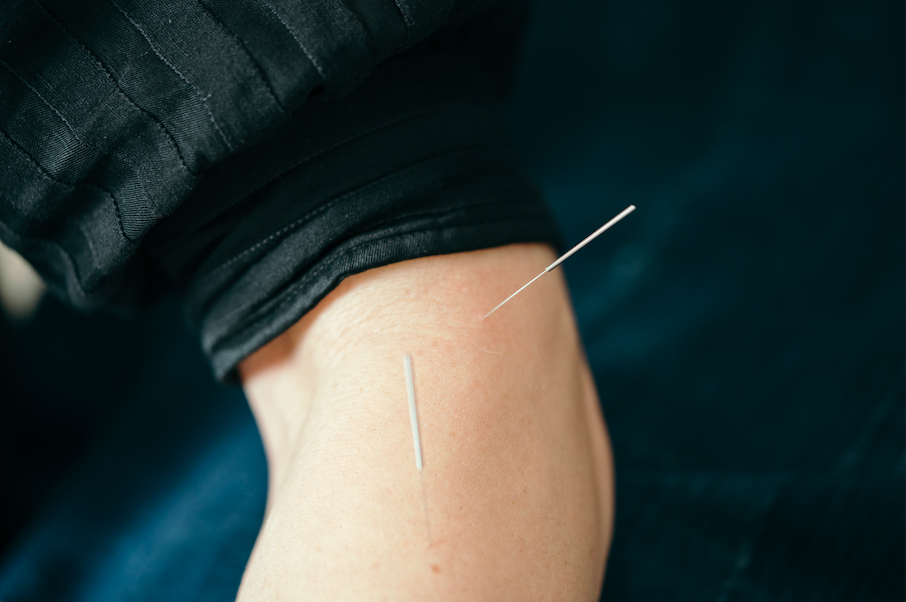
Get Pregnant.
Feel Strong.
Live your best Life.
Personalized acupuncture and holistic health care, to support fertility, relieve pain, and ease symptoms associated with chronic stress.
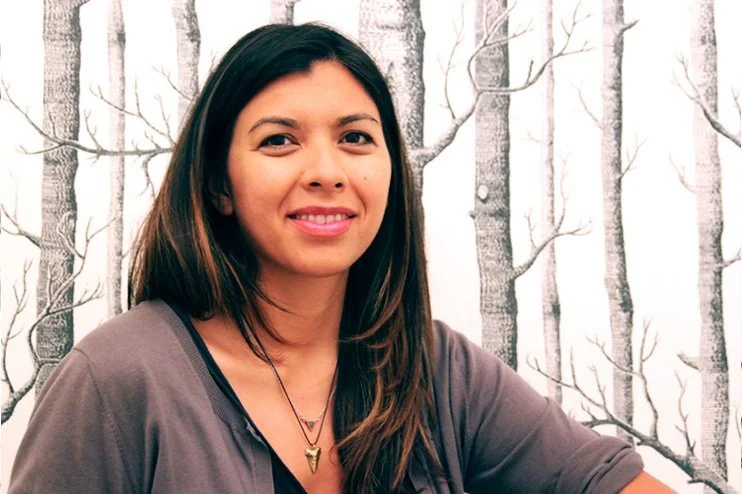
Samadhi Acupuncture is the private practice of Dr. Alexandra Norindr DAc. (Lexy)
Im a doctor of acupuncture and herbal medicine, who helps people feel better in their bodies. That can mean supporting fertility, navigating pregnancy, or finding relief from pain and stress. I also practice Kampo, a traditional form of Japanese herbal medicine that offers gentle, individualized support for everything from everyday ailments to more complex health issues.
My work is about listening to your story, and listening to your body. I partner with my patients to find what’s missing, and create a plan for change. Whether you’re preparing for pregnancy, recovering from injury, or working toward better balance in daily life, my goal is to help you feel strong, centered, and well.
My original training focused on pain management, and I was fortunate to complete my master of science degree at Tri-State College of Acupuncture, where trigger point dry needling was first developed and taught. Over time, my focus expanded to women’s health and fertility, where I found inspiration and purpose in the support of starting and growing families.
I later completed my Doctor of Acupuncture degree at Pacific College of Health and Science, to deepen my understanding of how traditional medicine and modern research can work together. This approach allows me to offer care that is rooted in science, guided by tradition, and centered on the whole person.
Fertility + Women’s Health
For nearly two decades, I’ve focused on using Chinese medicine to support women’s health, fertility, pregnancy, and postpartum recovery. My approach is holistic and deeply individualized, addressing hormonal balance, physical discomfort, emotional well-being, and the impact of stress on the body. I work with patients through all stages of reproductive health, helping them feel more supported, resilient, and connected to their bodies.
When appropriate, I collaborate with or refer to other healthcare providers, including doctors involved in assisted reproductive technology (ART).
-
As the saying goes in Chinese medicine, “When there is free flow, there is no pain; when there is pain, there is no free flow.”
Many of the concerns I see, including menstrual discomfort, irregular cycles, fibroids, cysts, endometriosis, often reflect deeper patterns related to stress, circulation, and hormonal regulation. These areas where conventional medicine can sometimes feel at a loss, is where Chinese medicine often shines.
Chinese medicine, sees the uterus as deeply connected to the body’s overall function and vitality, meaning cycle health is a reflection of the whole body. By working with natural processes, treatment can help alleviate symptoms and bring steadiness throughout the month. Over time, this support may also contribute to stronger reproductive health and improved fertility. -
The preconception and fertility period usually begins three to six months before trying to conceive. It’s a time to intentionally prepare your body and mind for a larger transformation.
I work with you to improve ovarian and uterine blood flow, support hormone regulation, and reduce systemic inflammation. Acupuncture helps to moderate the stress response, which can influence ovulation, cycle regularity, and overall reproductive function. This is important when trying to get pregnant naturally or in conjunction with other fertility interventions.
In addition to acupuncture, I incorporate individualized herbal formulas, nutritional strategies, and lifestyle recommendations to support metabolic health, regulate cycles, and enhance overall fertility. This integrative approach helps establish a strong foundation that continues into pregnancy and beyond.
-
The perinatal period encompasses the time from conception through pregnancy, birth, and the early postpartum recovery phase. This window of transformation involves physical, hormonal, and emotional changes.
Acupuncture and Chinese medicine provide support throughout each stage of pregnancy by offering a gentle and effective way to relieve symptoms such as nausea, fatigue, back pain, and digestive issues.
Overall maternal health is supported by improving circulation, reducing inflammation, and balancing hormones.
Regular acupuncture treatments can also help prevent complications such as high blood pressure, gestational diabetes, and breech presentation. Herbal formulas and dietary guidance, ensures that both parent and baby receive essential nourishment, to prepare for a strong foundation, healthy pregnancy, and birth.
In the early postpartum phase, acupuncture can supporting physical healing and emotional well-being.
In conventional medicine, the postpartum period is often overlooked. Traditional postpartum care in Chinese medicine focuses on replenishing energy and nourishing the body to prevent depletion after childbirth.
Acupuncture helps regulate hormones, improve energy levels, support lactation, and reduce the risk of postpartum depression or anxiety.
-
The postpartum period extends far beyond the initial weeks after birth, encompassing a long-term journey of physical recovery, hormonal balance, and emotional adaptation.
Postpartum healing extends beyond the early postpartum phase that we think of in the immediate days and up to six weeks after the birth of a child. Hormonal, physical and emotional changes can take place not only in the first six weeks but throughout the early years of parenthood.
In the first year postpartum, acupuncture focuses on replenishing energy and blood, supporting lactation, stabilizing hormones, and easing common concerns such as fatigue, anxiety, and sleep disturbances.
It’s also an important time to address lingering postpartum symptoms like pelvic pain, digestive issues, or mood imbalances. Additionally, acupuncture and Chinese medicine can support recovery from conditions such as uterine or bladder prolapse, pelvic floor weakness, and core instability by improving circulation, relaxing strained musculature, and by promoting tissue healing.
The transition into parenthood brings changes not just physically, but also in relationships and identity. Acupuncture helps regulate the nervous system, improve resilience, and restore overall well-being, making space for parents to navigate their shifting roles with greater clarity and ease. Whether addressing lingering postpartum symptoms, regulating menstrual cycles for future fertility, or supporting emotional well-being as we redefine our place in the world, acupuncture and Chinese medicine offer a holistic and long-term approach to recovery, growth, and balance.
-
Hormonal shifts are a natural part of life, occurring not just during perimenopause and menopause but throughout every stage of a menstruating person’s life.
Chinese medicine views these transitions as opportunities to restore balance rather than disruptions to be feared. Acupuncture and Chinese medicine help ease the perimenopausal and menopausal phases by regulating the body’s energy, improving circulation, and supporting overall vitality. By addressing both the symptoms and underlying imbalances, these treatments can make the experience of perimenopause and menopause more comfortable and empowering.
-
Male factor infertility is often overlooked and may involve problems with sperm quality, quantity, or function. These issues may include low sperm count, poor motility (movement), or abnormal morphology (shape), as well as hormonal imbalances or problems with sperm production and delivery.
When sperm are of poor quality, they are more likely to carry DNA damage or chromosomal abnormalities, which can affect embryo development and increase the risk of miscarriage or failed implantation. Factors such as stress, environmental toxins, poor diet, chronic illness, heat exposure, poor sleep, and certain lifestyle habits can all contribute to these challenges.
Acupuncture can support male fertility by improving blood flow to the reproductive organs, regulating hormones, and reducing inflammation and oxidative stress. Studies suggest that acupuncture may help increase sperm count, improve motility and morphology, and reduce DNA fragmentation in sperm. By addressing stress and enhancing overall circulation and balance in the body, acupuncture can create a healthier environment for sperm development and improve the chances of producing viable embryos that lead to successful pregnancies, and healthy kids.
-
I offer acupuncture and herbal medicine and dietary recommendations as supportive, integrative therapies alongside IVF and other assisted reproductive technologies (ART) to help optimize the body’s readiness for conception and improve overall treatment outcomes.
Research has shown that incorporating acupuncture during an IVF cycle can enhance blood flow to the uterus and ovaries, support hormonal balance, and reduce stress, which can improve egg quality, uterine lining thickness, and implantation rates.
Studies also suggest that patients who receive acupuncture in conjunction with IVF may experience higher pregnancy and live birth rates compared to those undergoing IVF alone.
Pain Management
I offer a holistic approach to pain management that addresses both the source of discomfort and its broader impact on body and mind. By combining acupuncture with gentle, restorative techniques, I help reduce inflammation, release muscle tension, and calm the nervous system. Each person’s experience of pain is unique, and treatment is tailored to restore balance, improve mobility, and support the body’s natural healing response. My goal is to not only relieve pain but to enhance overall resilience and well-being, helping patients return to their daily lives with greater comfort and ease.
-
I was fortunate to attend Tri-State College of Acupuncture, where I studied directly with Dr. Mark Seem, PhD, an acupuncturist and psychoanalyst who developed trigger point acupuncture (also referred to as dry needling) in the 1970s. This approach grew out of Dr. Janet Travell’s trigger point injection maps, which identify muscle patterns responsible for referred pain. Dr. Seem translated this work into an acupuncture-based system using fine needles rather than hypodermic injections. This method of training is unique to Tri-State and emphasizes precise palpation, detailed anatomical understanding, and highly skilled needling.
Trigger point acupuncture and dry needling techniques focus on releasing tight, contracted muscle fibers that contribute to pain, stiffness, and limited movement. By gently releasing these areas, treatment helps relax muscles, calm the nervous system, and improve circulation.
While dry needling is practiced by some physical therapists in certain states, acupuncture training involves extensive graduate-level education and a whole-body approach, allowing care to address both localized pain and the underlying patterns contributing to discomfort. -
For those living with chronic pain, acupuncture offers a gentle and supportive way to ease discomfort and help restore a sense of balance and quality of life. By calming pain signals, reducing inflammation, and improving circulation, acupuncture helps the body move out of ongoing cycles of tension and pain. Treatment also supports emotional well-being, helping to ease the stress, anxiety, and fatigue that often accompany long-term conditions.
Whether you are dealing with persistent back pain, migraines, arthritis, or fibromyalgia, treatments are carefully personalized to meet your specific needs. Acupuncture can also be especially helpful during recovery after surgery or when used alongside physical therapy, helping to reduce pain and swelling, support tissue healing, and gradually improve comfort and range of motion over time.
-
In sports medicine and injury recovery, acupuncture helps reduce pain, improve mobility, and support the body’s ability to heal and prevent injury. By improving circulation, reducing inflammation, calming the nervous system, and releasing areas of tension, acupuncture is especially effective for muscle strains, tendon irritation, joint pain, and overuse injuries. Regular treatments can also help identify and address areas of tightness or imbalance before they develop into pain or injury.
My approach is informed by both clinical experience and years of relying on acupuncture as a patient. As a long-distance cyclist, I have used acupuncture to manage overuse injuries, muscle fatigue, and the cumulative strain of endurance training. In practice, I have helped runners prepare for marathons, supported surfers recovering from shoulder and back overuse injuries, and worked with cyclists to release chronically tight quads and hips. Treatments are tailored to support recovery, performance, and long-term injury prevention, helping you stay active with greater comfort and confidence.
-
Acupuncture offers a gentle, evidence-based approach to reducing the frequency, intensity, and duration of migraines and tension headaches. By targeting specific points, acupuncture helps regulate blood flow, reduce myofascial tension in the neck and shoulders, and modulate signaling within the nervous system. Treatments also support autonomic regulation, which may reduce common headache triggers such as stress, fatigue, and hormonal fluctuations.
I first came to acupuncture over 25 years ago for my own migraines, and that experience continues to inform my clinical perspective. Acupuncture may be used both preventively and during acute episodes, which in turn may help to decrease reliance on medication.
Each treatment plan is individualized to the patient’s headache presentation; whether the presentaion is seen chronic migraines, tension-type headaches, or cluster headaches, I provide and individualized plan for pain management and improved quality of life.
Feelings
“The body is the unconscious mind made visible.” - Mark Seem, Bodymind Energetics.
Acupuncture offers a holistic way to support mental and emotional health by working with the body and mind as one interconnected system. Anxiety, chronic stress, and emotional overwhelm don’t exist only in our thoughts; they live in the nervous system and often show up physically as tension, fatigue, poor sleep, or feeling constantly on edge. Acupuncture helps calm these patterns by supporting the body’s natural ability to regulate and settle, creating a sense of safety that allows the mind to rest.
-
In Chinese medicine, stress and anxiety are understood as part of the natural relationship between the mind, body, and spirit. When life becomes overwhelming, the body’s ability to stay grounded and settled can be disrupted, and this may show up as worry, restlessness, poor sleep, or feeling emotionally depleted. Acupuncture works gently to help the body return to its natural rhythm, supporting a sense of calm, safety, and inner balance rather than forcing the mind to “push through” stress.
Chinese medicine has always taught that the mind does not exist separately from the body. Emotional states are seen as reflections of how the internal systems are functioning, particularly the Heart, Liver, and Spleen, which help govern emotional flow, nourishment, and stability. When these systems are supported, the mind can settle, thoughts feel less overwhelming, and emotions become easier to process. Treatment is individualized, honoring each person’s constitution and life experience.
Rather than labeling anxiety as a problem to eliminate, Chinese medicine views it as a message that the body and spirit are asking for care. Through acupuncture and supportive therapies, treatment helps restore harmony, strengthen resilience, and create space for rest and renewal. Over time, many people notice a deeper sense of ease, more restorative sleep, and a steadier emotional foundation that carries into daily life.
-
In Chinese medicine, hormonal balance is understood as part of the body’s natural rhythms and cycles, and mood is closely tied to how smoothly those rhythms are moving. When life stress, overwork, or major transitions disrupt this balance, it can show up as mood swings, irritability, fatigue, poor sleep, or feeling emotionally out of sync. Acupuncture works gently to support the body’s ability to regulate itself, helping restore steadiness and ease rather than forcing change.
Rather than focusing on individual hormones in isolation, Chinese medicine looks at overall patterns of balance, circulation, and nourishment in the body. Hormonal shifts are seen as part of a larger picture that includes stress levels, rest, digestion, and emotional well-being. Treatment is individualized, supporting your unique cycle, constitution, and life stage—whether you are navigating PMS, postpartum changes, perimenopause, or ongoing hormonal stress.
Hormonal changes are not viewed as something “going wrong,” but as signals that the body needs support and recalibration. Through acupuncture and supportive therapies, Chinese medicine aims to restore harmony and resilience from the inside out. Over time, many people notice more stable moods, improved sleep, and a greater sense of balance in both their emotional and physical health.
-
In Chinese medicine, sleep is seen as a reflection of how well the body and mind are able to settle and restore. Difficulty falling asleep, staying asleep, or waking feeling unrefreshed often signals that the system has not fully shifted into rest. Rather than treating sleep problems in isolation, Chinese medicine looks at the deeper patterns that may be interfering with the body’s natural ability to unwind at night.
Sleep challenges are often connected to stress, overthinking, emotional strain, or long-term depletion that keeps the nervous system alert when it should be resting. Acupuncture works gently to calm the system, ease internal tension, and support the body’s natural nighttime rhythms. Many people describe feeling more relaxed after treatment and notice that sleep becomes deeper and more consistent over time.
From a Chinese medicine perspective, sleep improves when the body feels safe, nourished, and balanced. Insomnia is not seen as a failure, but as a message that the body needs support and care. With individualized treatment, acupuncture helps create the conditions for more restorative sleep, so you can wake feeling more grounded, clear-headed, and supported throughout the day.
-
I often partner with and refer to therapists and psychiatrists because, over many years, I’ve seen how powerful coordinated care can be. I have extensive experience helping patients manage stress, anxiety, mood shifts, and life transitions, and acupuncture works best when integrated thoughtfully with other forms of mental health support. My goal is to enhance the care you’re already receiving, helping your body and nervous system feel calmer, more resilient, and better able to respond to therapy or treatment.
I’m able to offer a holistic perspective that includes a mind-body, somatic-centered approach. I work closely with therapists and psychiatrists to ensure acupuncture supports both emotional and physical well-being—helping reduce tension, improve sleep, and create a steadier emotional baseline. Many patients notice that when care is coordinated this way, therapy sessions and medications feel more effective and easier to integrate into daily life.
I approach this collaboration with care and intention, always keeping your well-being at the center. By working together with other providers, I help patients feel more grounded, balanced, and supported; drawing on two decades of experience in harmonizing mind, body, and spirit through Chinese medicine.
In-person and remote options
I am proud to offer two locations, in the Tribeca area of Manhattan, and the near the beach on the Rockaway peninsula.
Can’t make it into the office?
Telehealth is an option for select services.
Nearby subways include A/C/E, 2/3, N/W, J, 4/5 in Manhattan, and the A train or Rockaway ferry in Rockaway Park.
Tribeca location:
Rockaway Park Location:
Contact Me.
lexy@samadhiholistic.com
917.657.4515
Two locations available:
Manhattan:
277 Broadway
Suite 1010
New York, NY 10007
Rockaway:
117-02 Newport Avenue
Lower Level
Rockaway Park, NY 11694
FAQ
-
Acupuncture is covered by some, but not all health insurance policies. I’m not in network with any insurance providers, but I can provide detailed superbills for reimbursement if you have out-of-network benefits (PPO or EPO plan).
These documents include all the information most insurance companies require, so you can submit them for partial or full reimbursement.
If you believe you have benefits available in your plan, it’s helpful to call your insurance carrier and ask these questions:Do I have out-of-network acupuncture coverage?
Is there a deductible and if so how much is it?
How many visits are allowed per year?
What conditions will my insurance cover. (neck pain, back pain and migraines are usually covered, but depending on your plan there may be others.)
-
The short answer is: It depends
The number of visits you’ll need can vary depending on your health goals, the condition being treated, and how your body responds to acupuncture. Many of my patients choose to come regularly to support ongoing balance and well-being.
I generally say by 1-3 visits you should start to feel a difference, but my recommendation is to start with a minimum of 10 weekly sessions to see how Chinese medicine fits into your life.
If you’re planning to get pregnant, sessions are often recommended more frequently to optimize your body’s readiness and support fertility. I usually start with a plan tailored to your needs, and we adjust it as we go based on your progress and how you’re feeling. My goal is always to support long-term balance and wellness, rather than short-term relief.
-
For your session, wear loose, comfortable clothing that allows easy access to your arms, legs, and shoulders. Soft pants, short sleeves, or layers you can move in. You don’t need to bring anything special, just clothes you can relax in.
-
Yes, acupuncture is very safe when performed by a licensed acupuncturist. Acupuncture needles are single-use, sterile needles, and every needle is disposed of immediately in medical waste containers after your session.
-
I ask that you provide at least 24 hours’ notice (preferably 48 hours notice) or the full price of the appointment will be charged.
This allows me to offer the time to another patient.